01
A shrub that liked mist
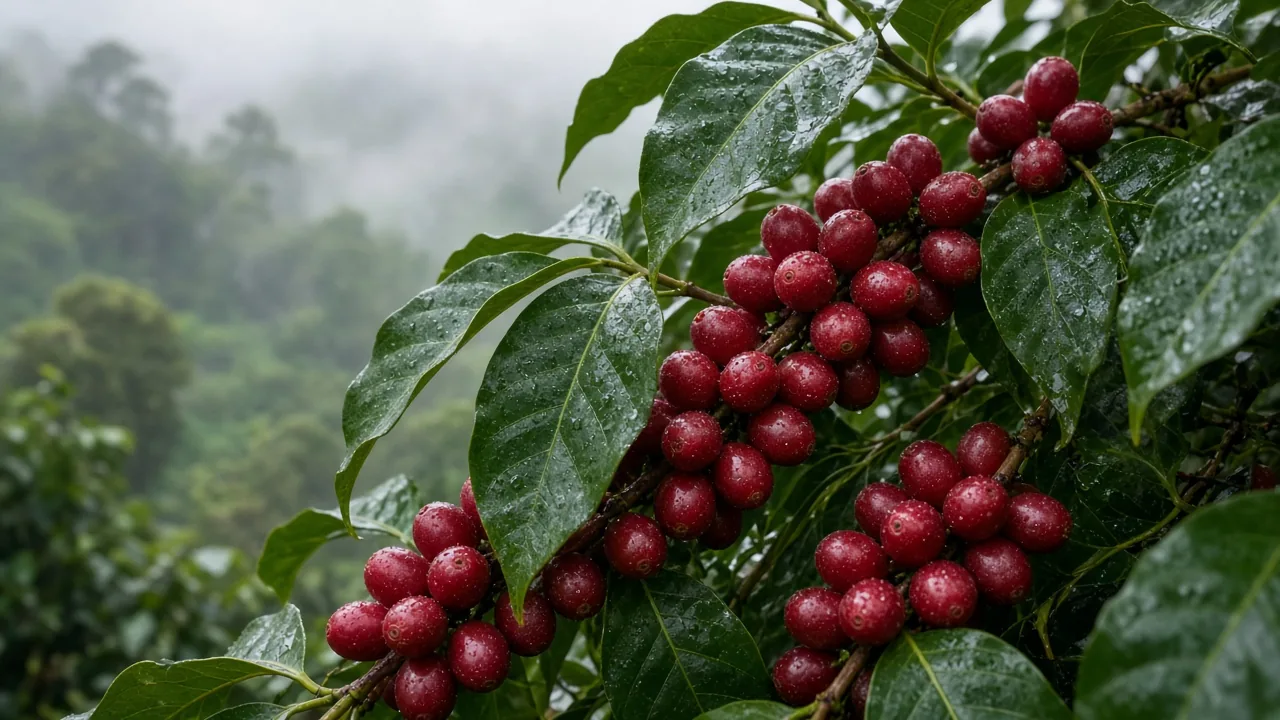
Before it was a cup on the Chikkamagaluru bus, coffee was a red cherry in highland weather, a shrub that preferred cloud to open sun. That plant walked a long way from Ethiopian slopes before it ever saw these ghats.
Stories
Separate readings of the district, seasons, coffee, stone, a Malnad kitchen, and the forest that is not a backdrop. Each chapter stands on its own.
01
Seasons
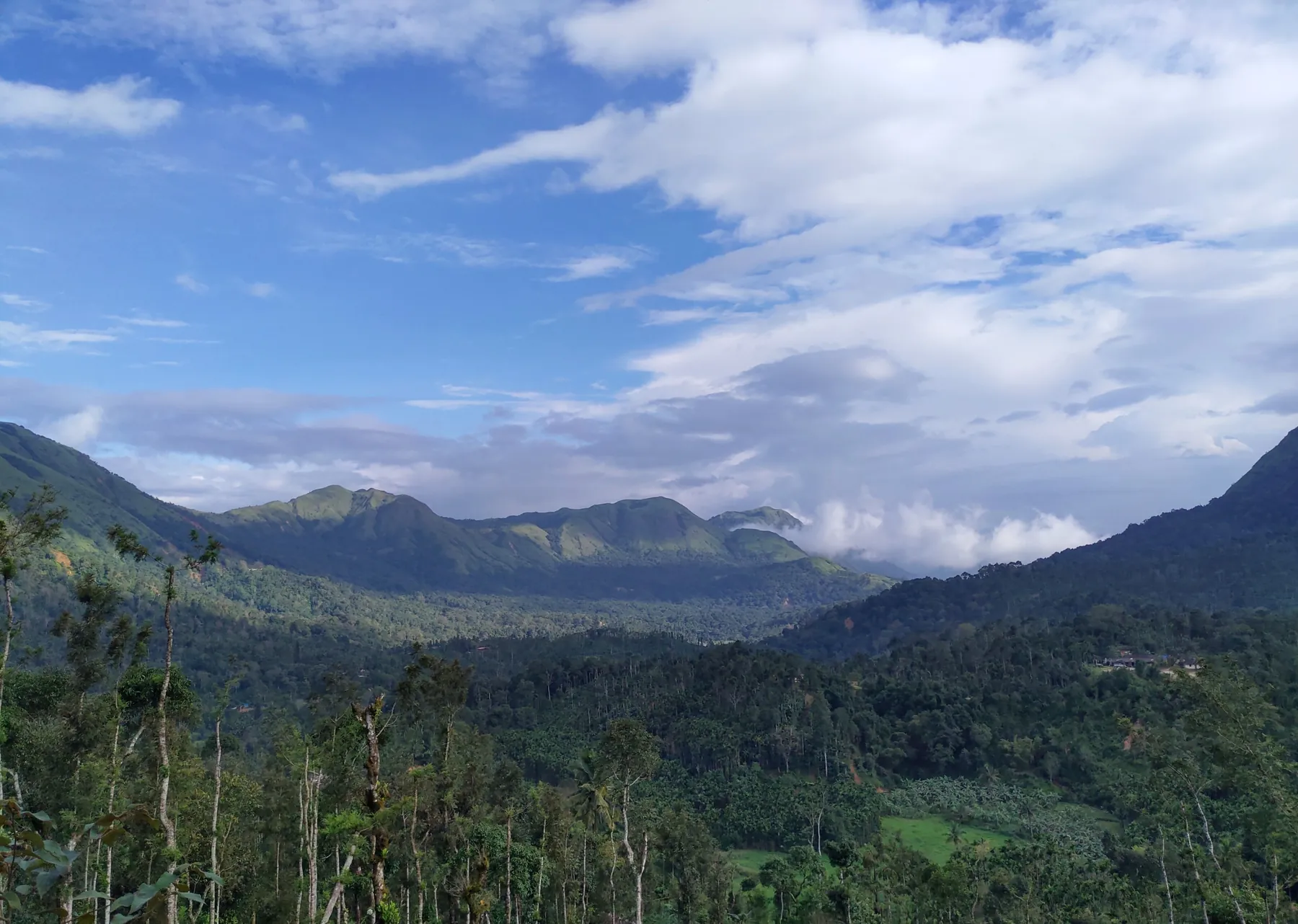
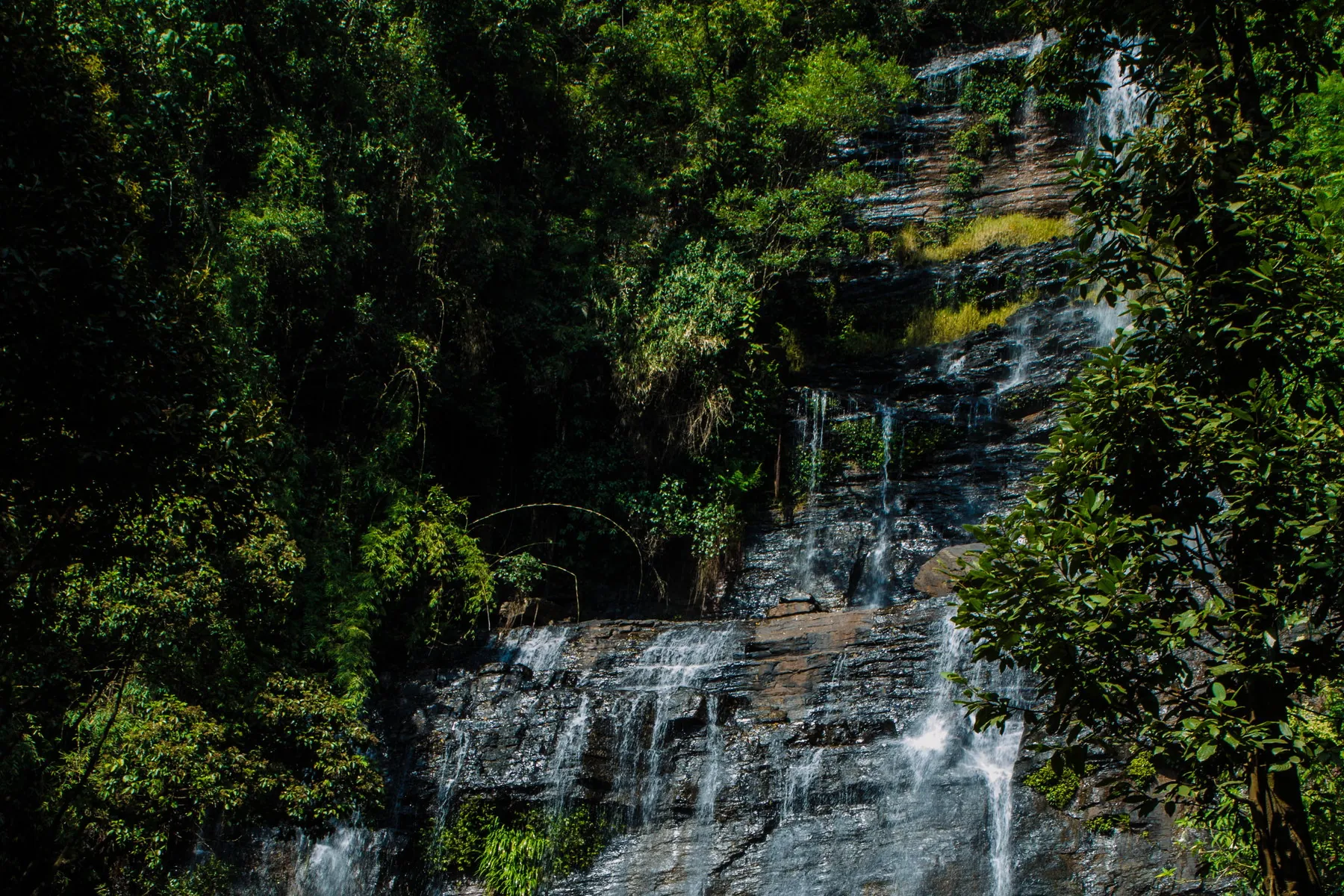
Clear ridges in winter, thinner falls by summer, a monsoon that turns the ghats to water, and an October still dripping green.
November – February
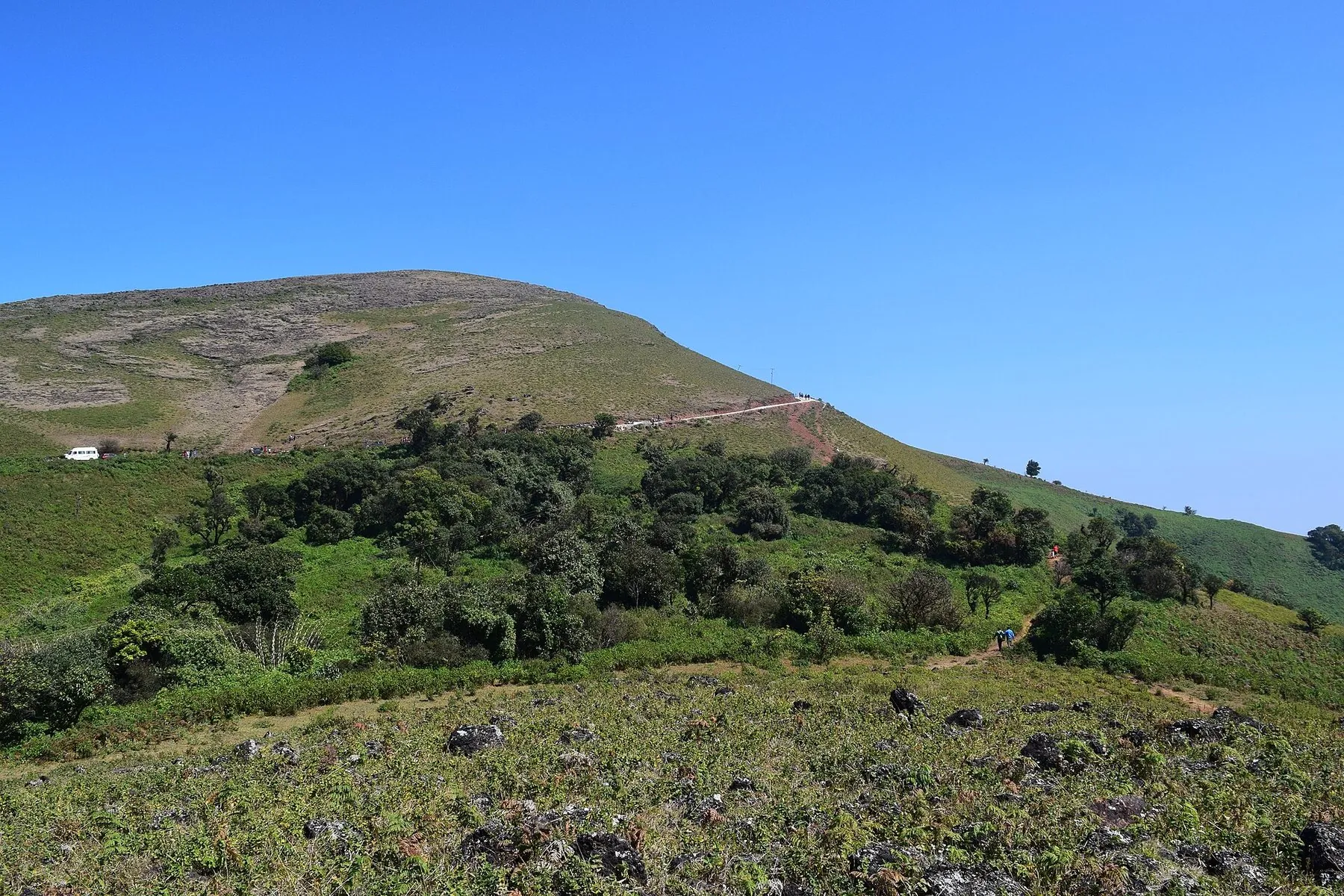
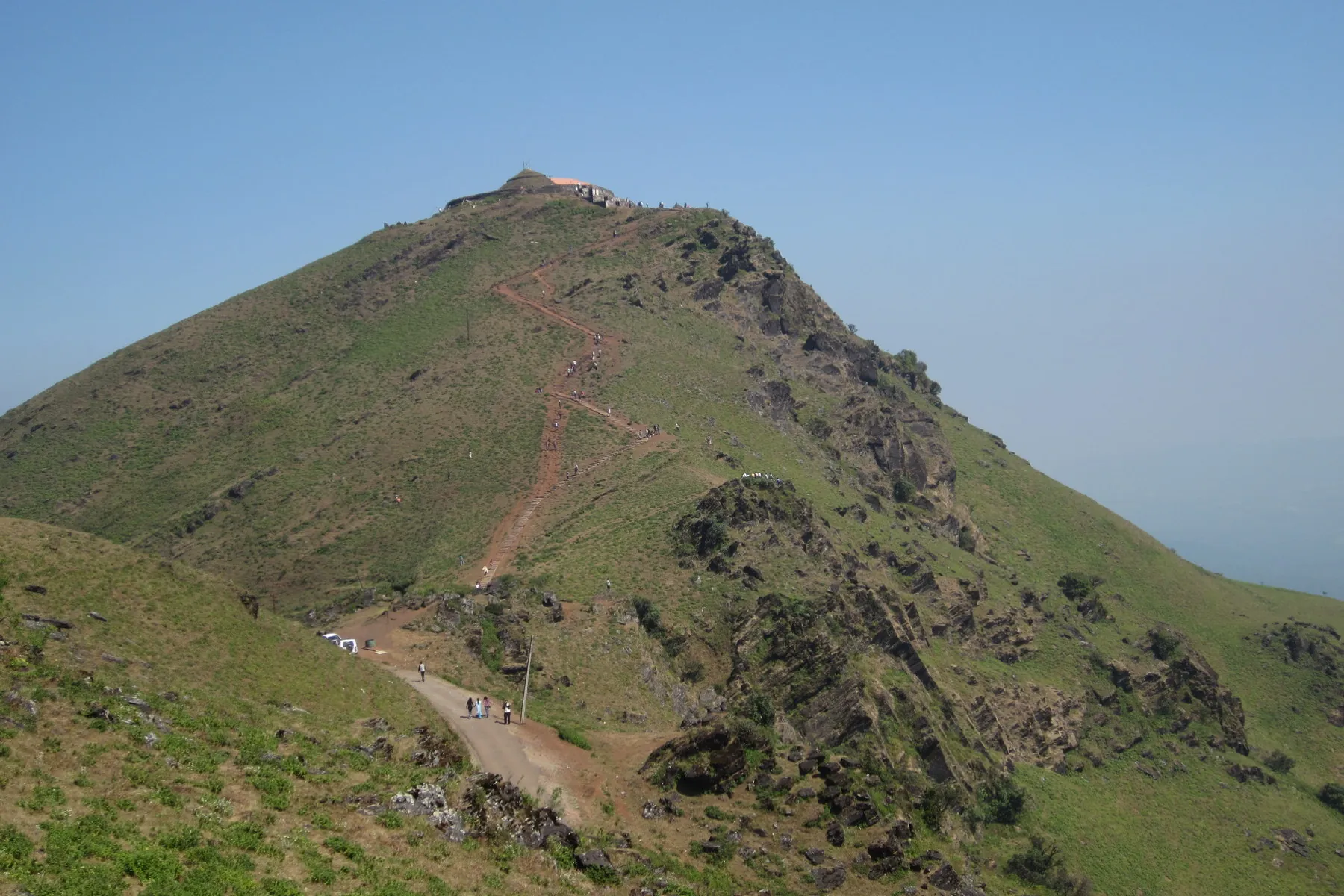
This is the classic visiting window for viewpoints: cooler nights, clearer mornings on Mullayanagiri and Kemmanagundi, and the coffee harvest in many estates. Forests are generally more walkable than in the monsoon, but mist still arrives without warning.
Nights are cold on the peaks. Carry a layer. Festival calendars belong to temples and the district site, not to this page.
02
Coffee country
01
Before it was a cup on the Chikkamagaluru bus, coffee was a red cherry in highland weather, a shrub that preferred cloud to open sun. That plant walked a long way from Ethiopian slopes before it ever saw these ghats.
02
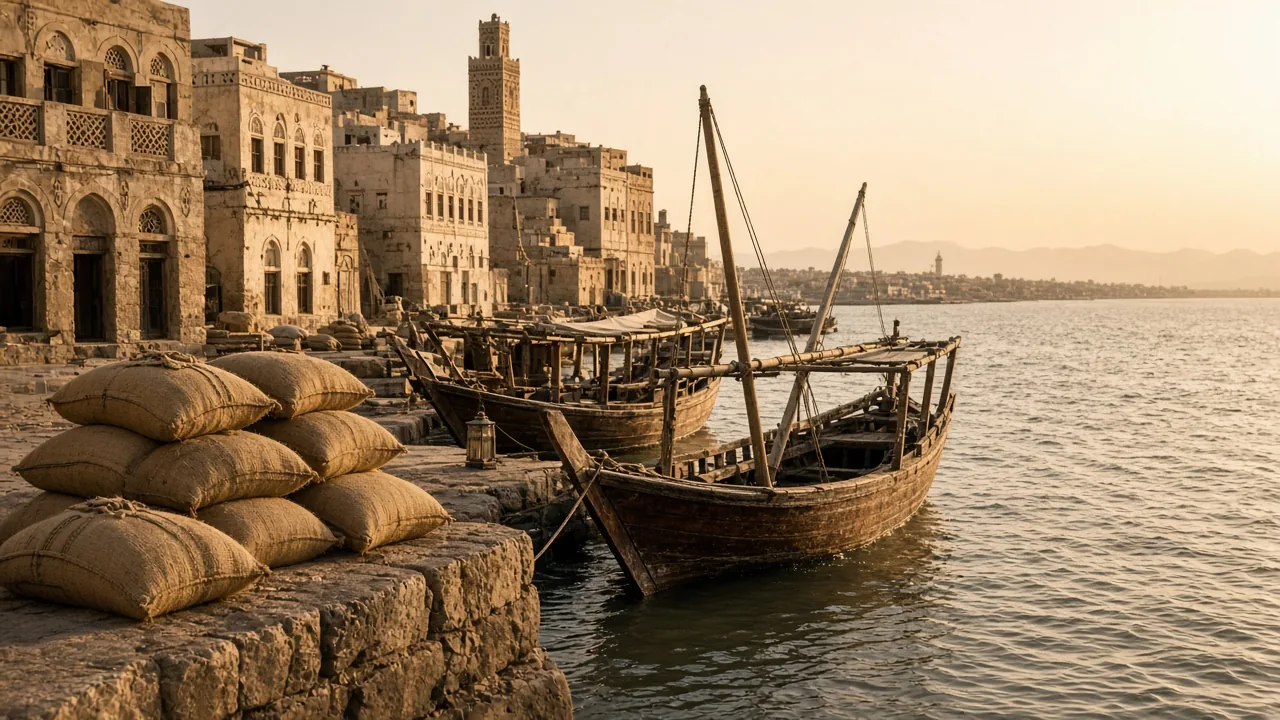
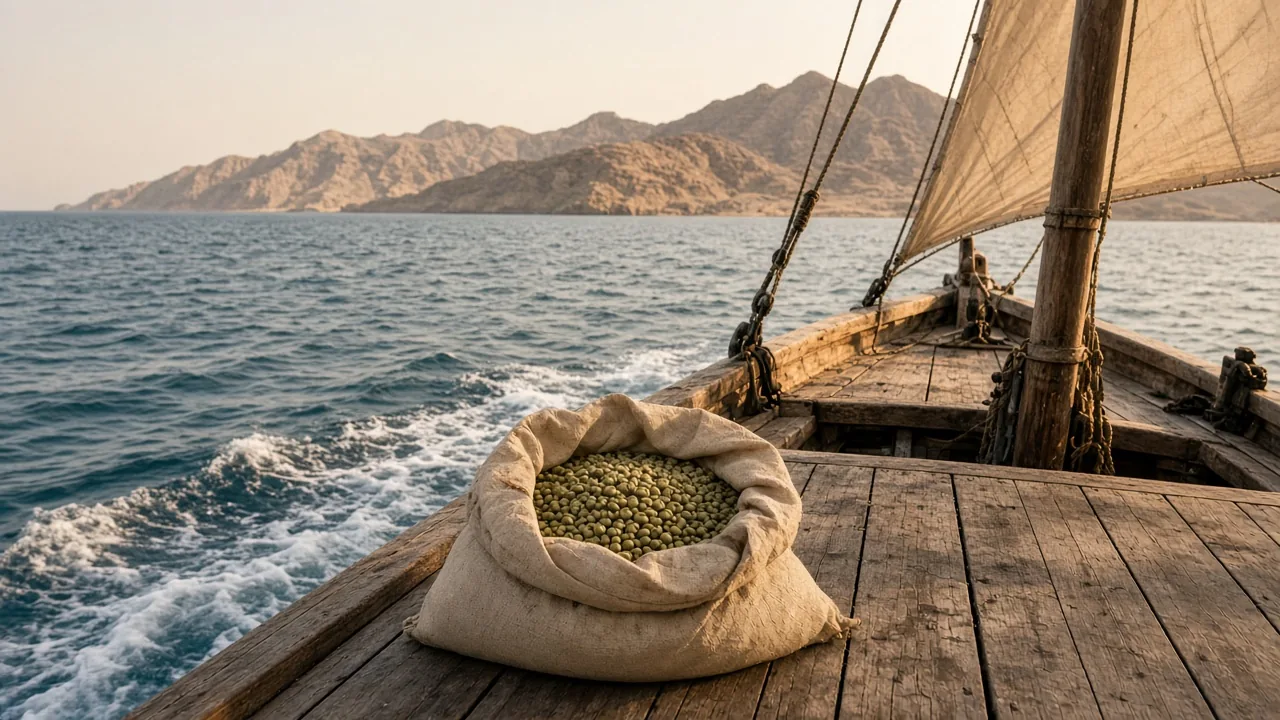
On the Yemeni shore, Mocha became the name people used when they meant coffee itself. The city sold the roasted drink freely enough. Live seed was another matter.
03
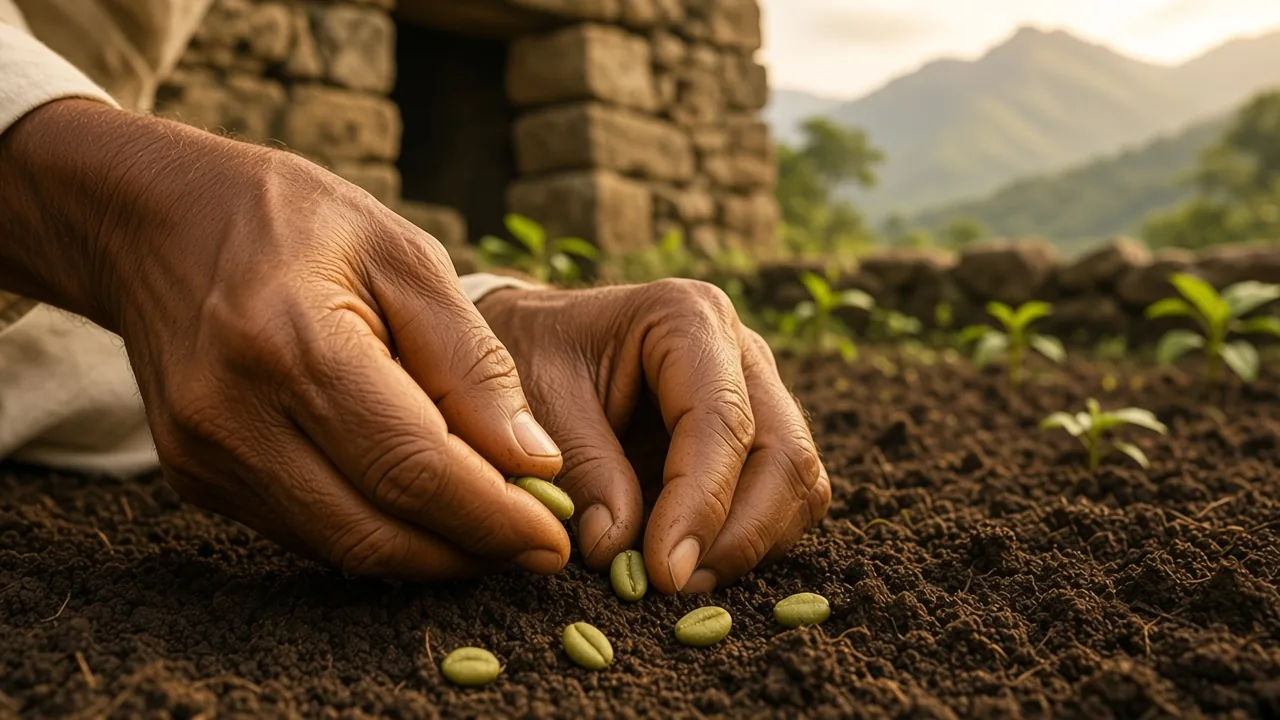
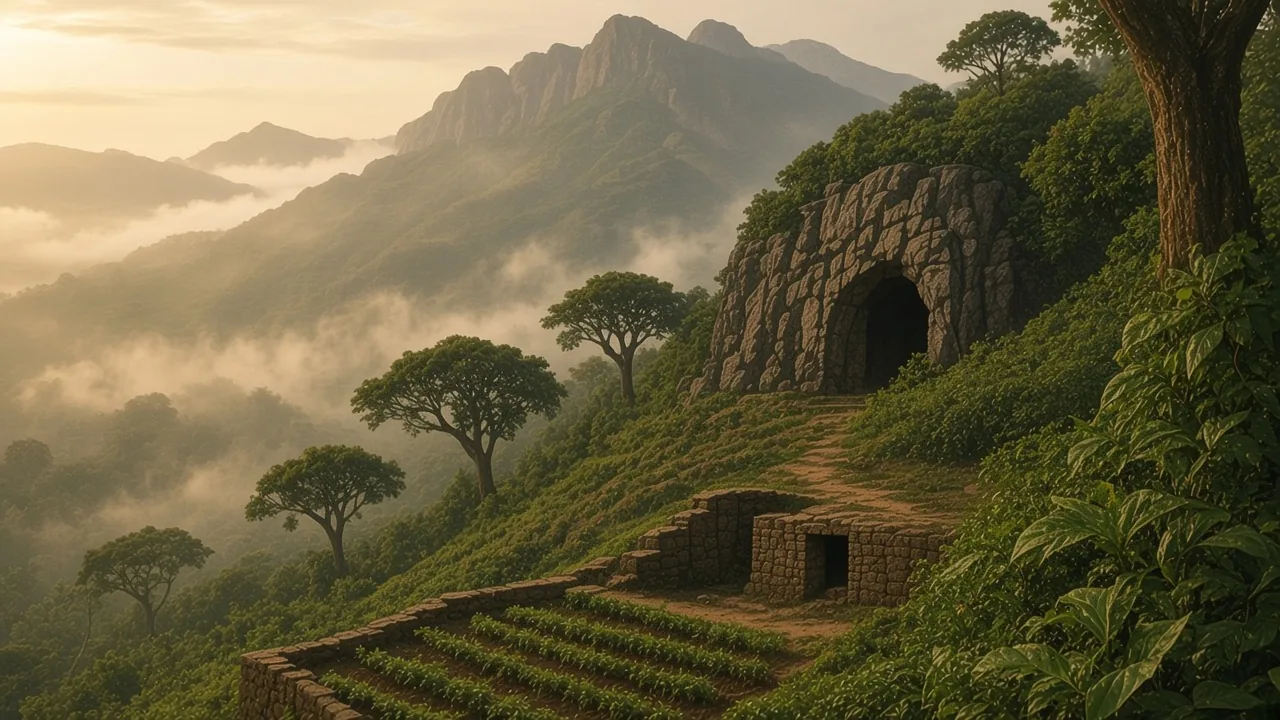
Then a Sufi from these hills is said to have come home with seven Mocha seeds and set them in the courtyard of his hermitage on Baba Budan Giri. Some tellings put that planting near 1600. Others walk him home from Hajj nearer 1670.
04
The story that travels with the seeds is a smuggler's story: seven raw beans, because seven is sacred, tucked away, in a beard, in the later tellings, so a port would not notice a future forest leaving in a pilgrim's clothes.
05
Those first plants did not become a landscape overnight. For a long time they were a curiosity in courtyard earth, a few trees behind a house, not yet the silver-oak rows you pass on the Charmadi road.
06
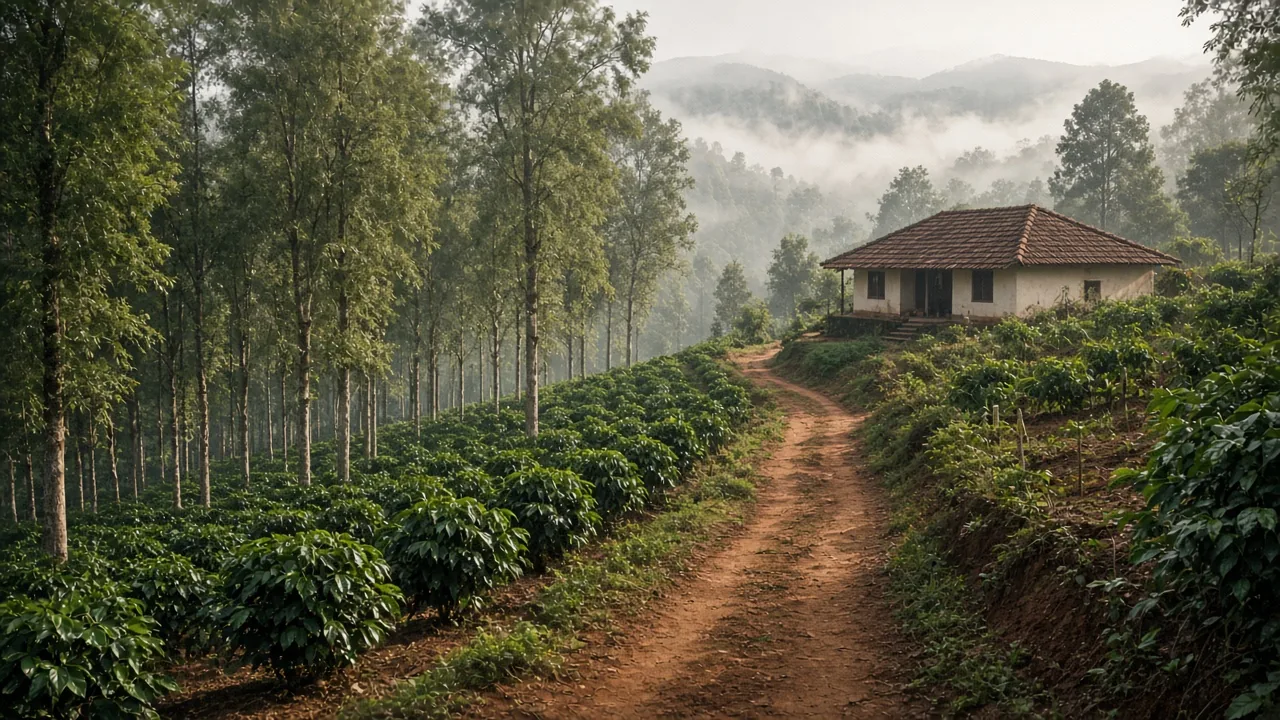
Rows came later, when the forested south was cut into property. In the 1820s planters opened country beside this same ridge, and the crop walked on into Wayanad, the Shevaroys, the Nilgiris.
07
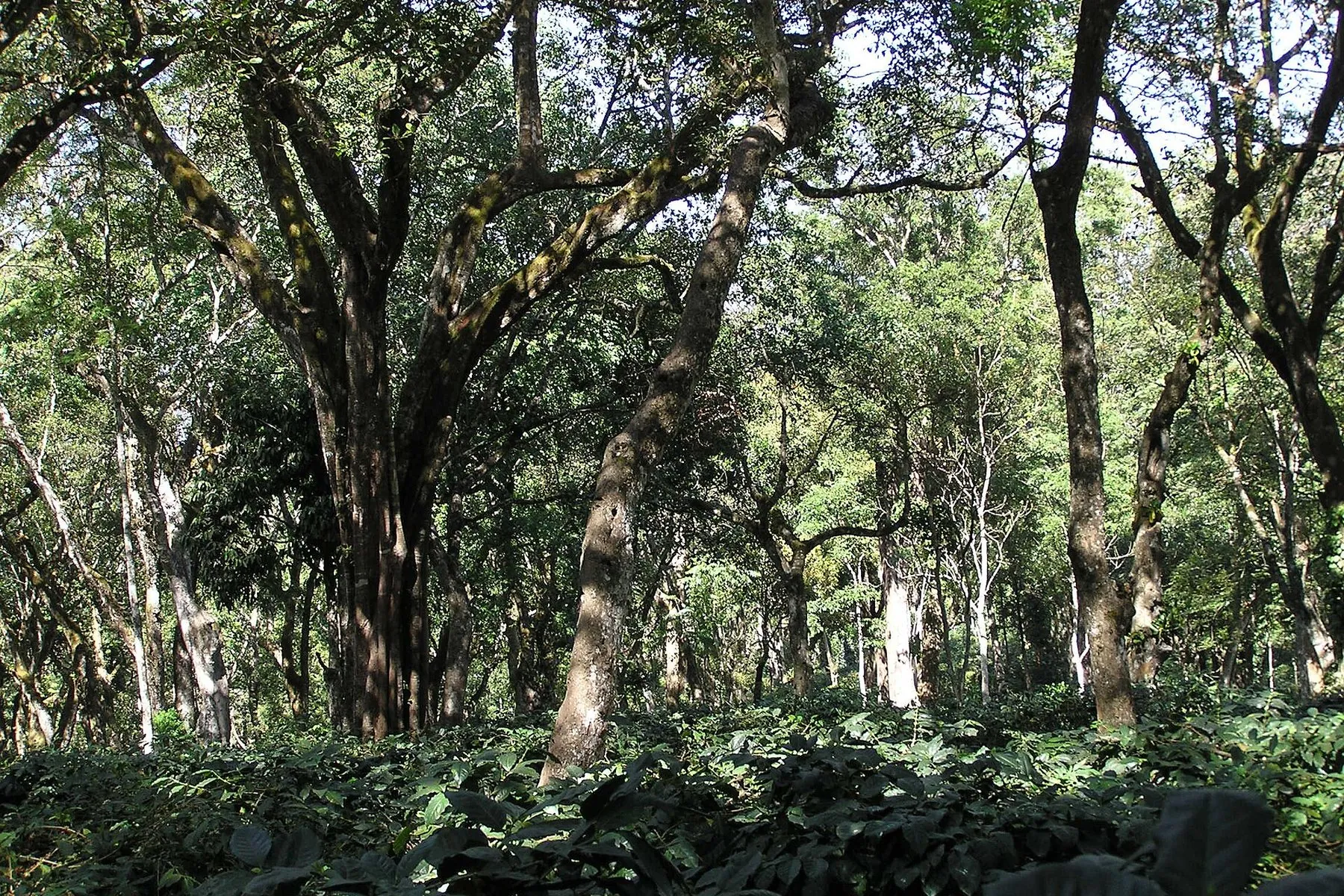
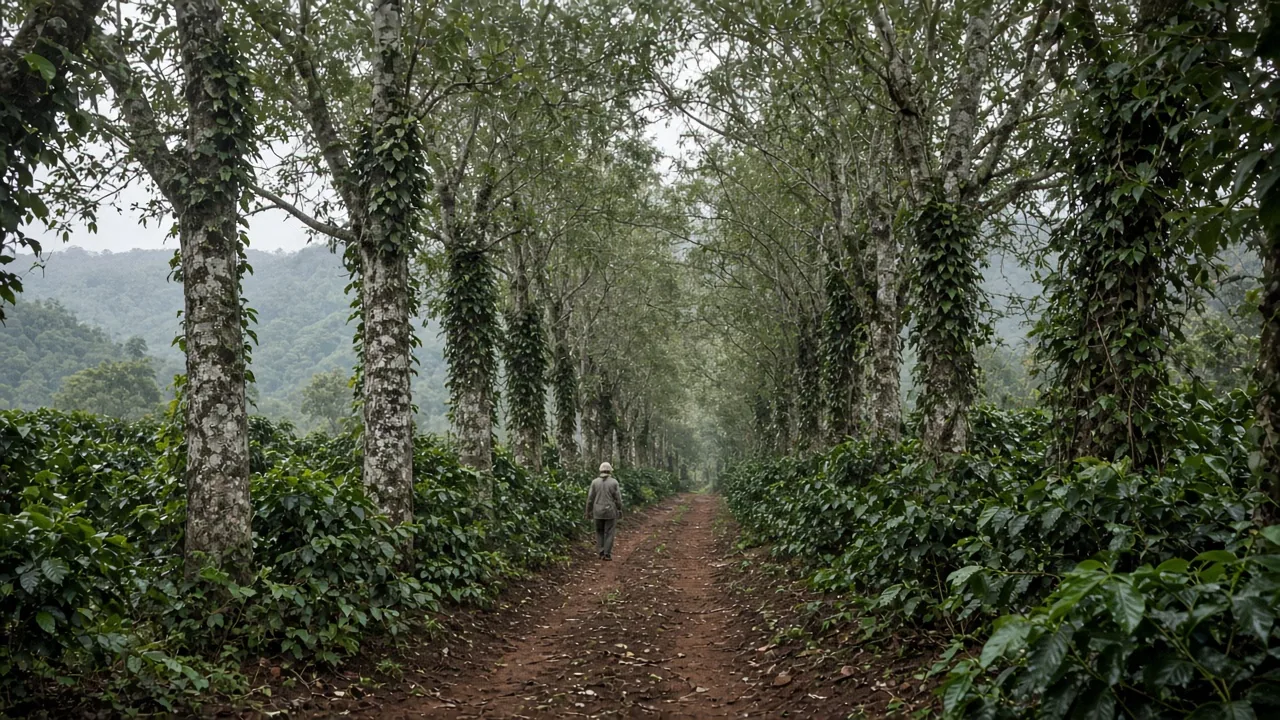
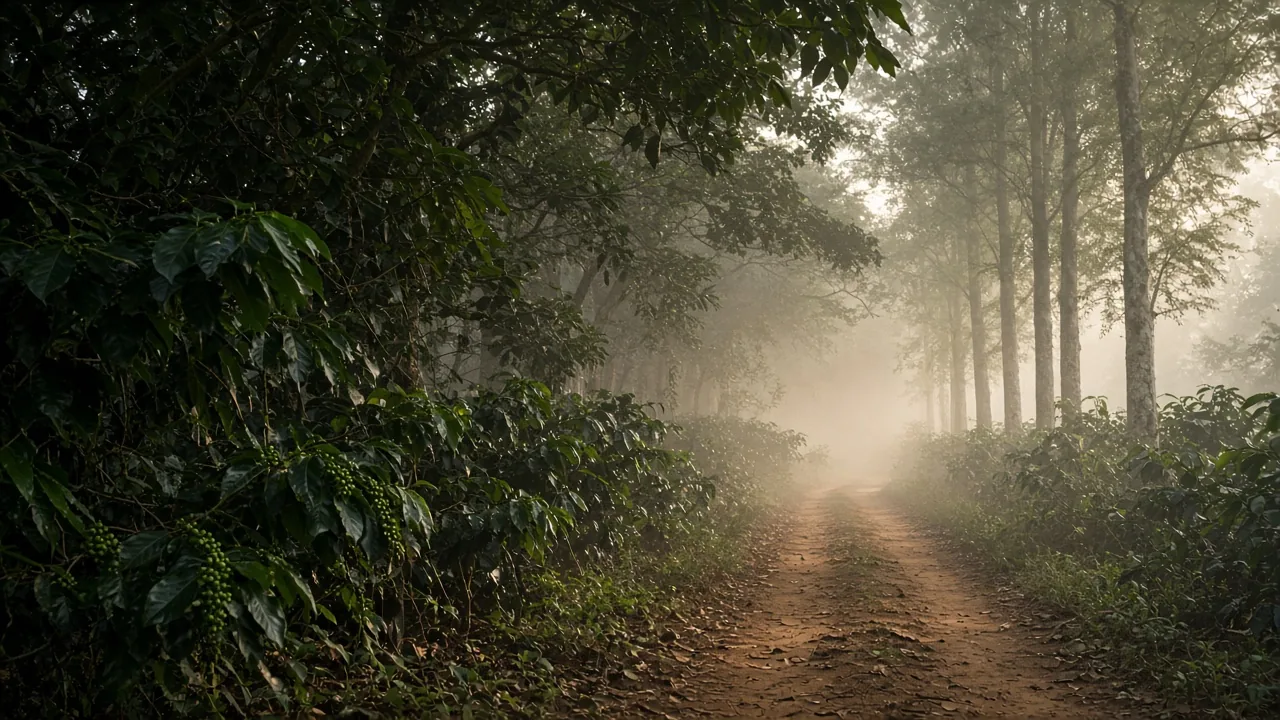
Look out between Mudigere and Balehonnur and you are looking at work: two roofs of shade, pepper on the trunks, arabica underneath. Karnataka still grows the largest share of the Indian crop. Rust and stem borer later asked for tougher trees.
08
This page will not sell you a cupping, a bungalow, or a jeep through someone else's silver oak. If a planter opens a path, that is their door. Stay on it.
03
Culture
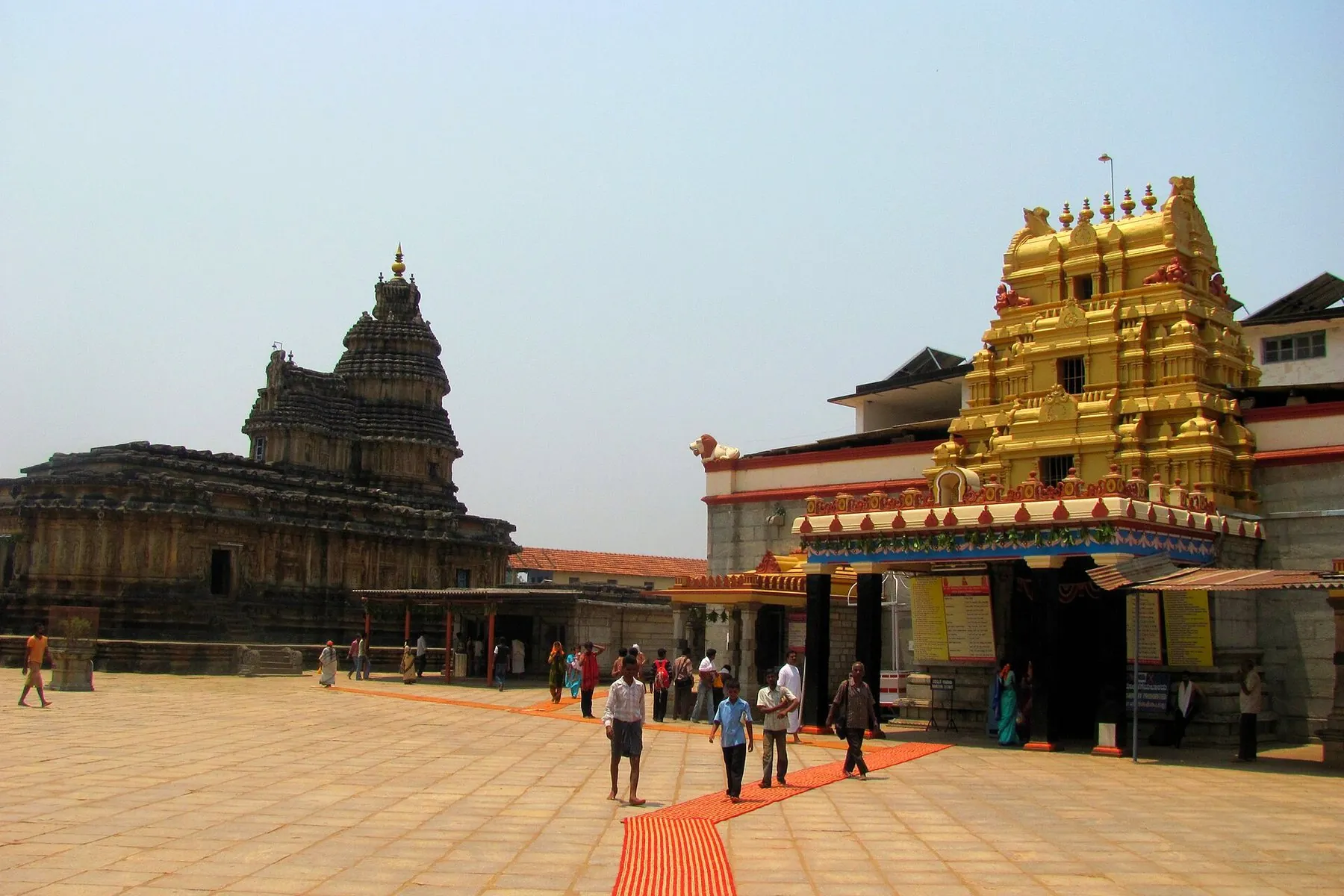
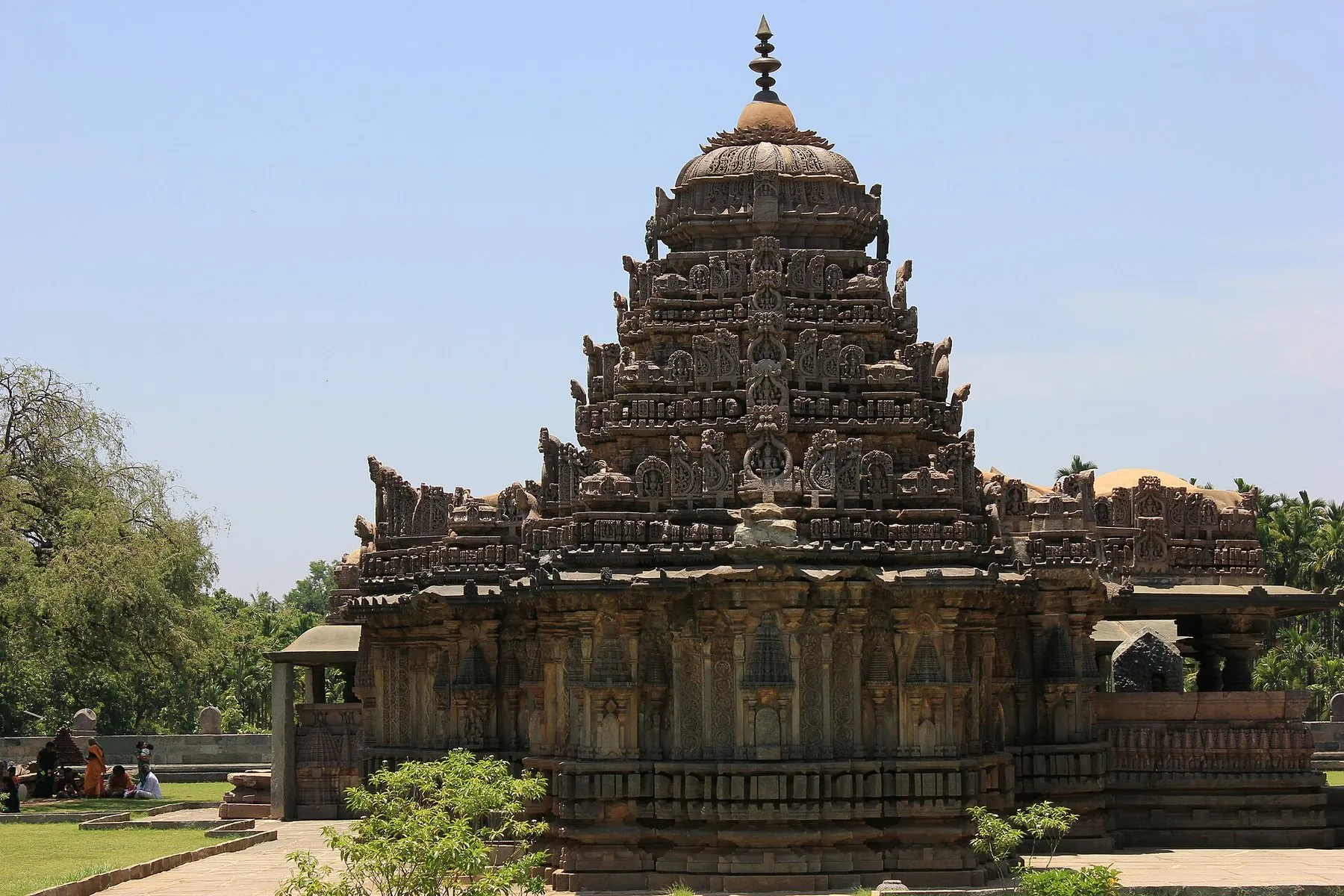
Chikkamagaluru’s east leans toward the Hoysala world: Amruthapura’s Amrutesvara temple of 1196 CE, Belavadi’s Veeranarayana trikuta, and the nearby orbit of Halebidu and Belur. The west and south fold into Malnad pilgrimage, Sringeri Sharada Peetham, Horanadu, Kalasa, where Sanskrit learning and Kannada village life share the same river terrace.
Kannada is the language of the district. English is understood in town; it thins in the ghats. A greeting in Kannada is not decoration. It is how this place speaks to itself.
04
Food
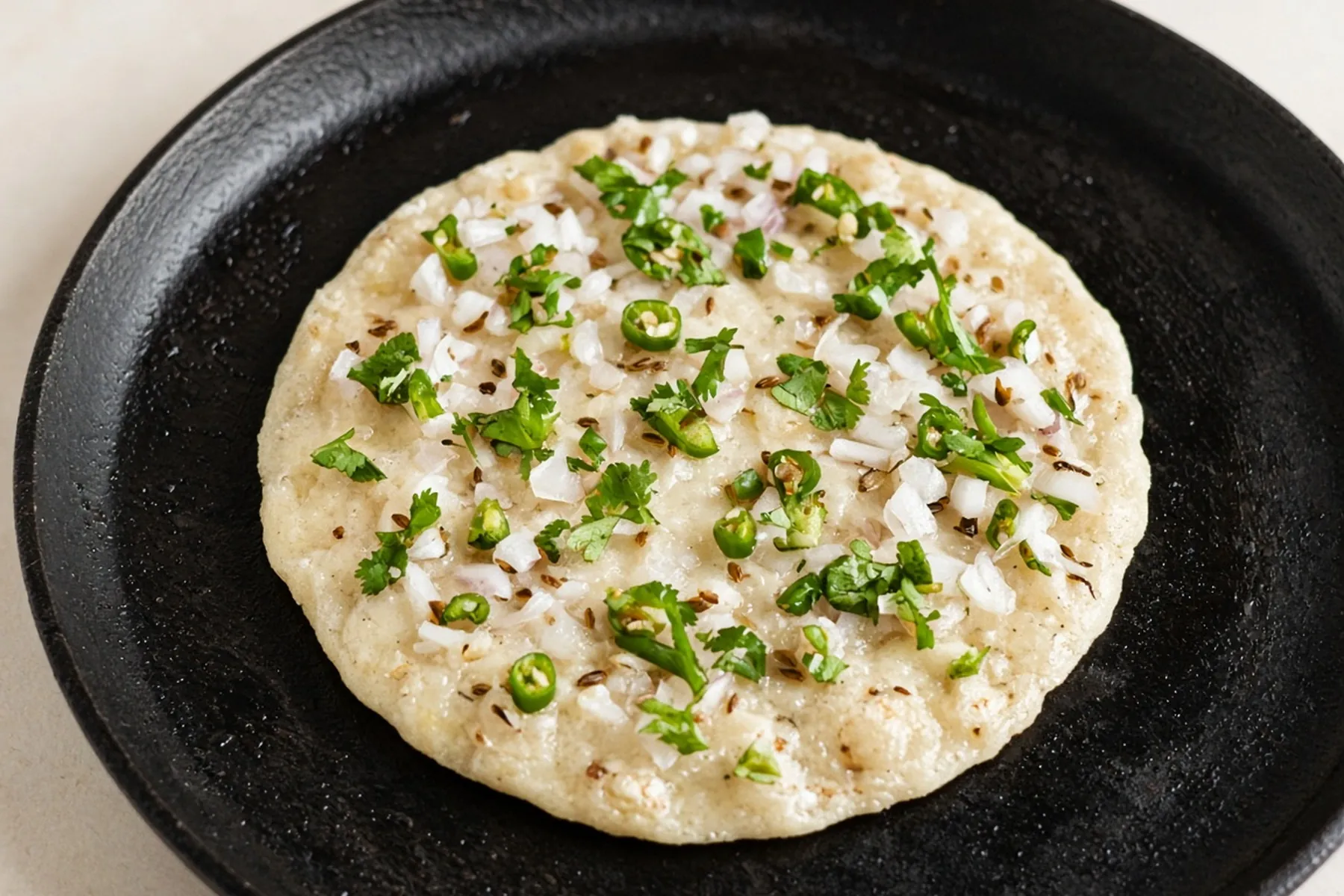
Malnad cooking is rice-first: akki rotti on a hot tava, kadubu steamed in a jackfruit leaf, pathrode rolled from colocasia, a thin neer dosa, jackfruit when the trees fruit, and filter coffee from beans that grew under silver oak. Village kitchens also cook koli saaru and forest greens; those plates belong to homes, not to a tourism menu.
Temple towns such as Horanadu are known for annadana, a meal as offering, with timings set by the temple, not by a brochure. The dishes in the kitchen chapter are regional tradition. A hotel name in a photograph credit is not a recommendation, and this companion does not sell a table.
05
Malnad kitchen
Six dishes the ghats still cook. Open a card for the full origin note on its own page. Photographs are companion stills, this page does not sell a meal.
Rice breadAkki rottiಅಕ್ಕಿ ರೊಟ್ಟಿAkki means rice.Read the story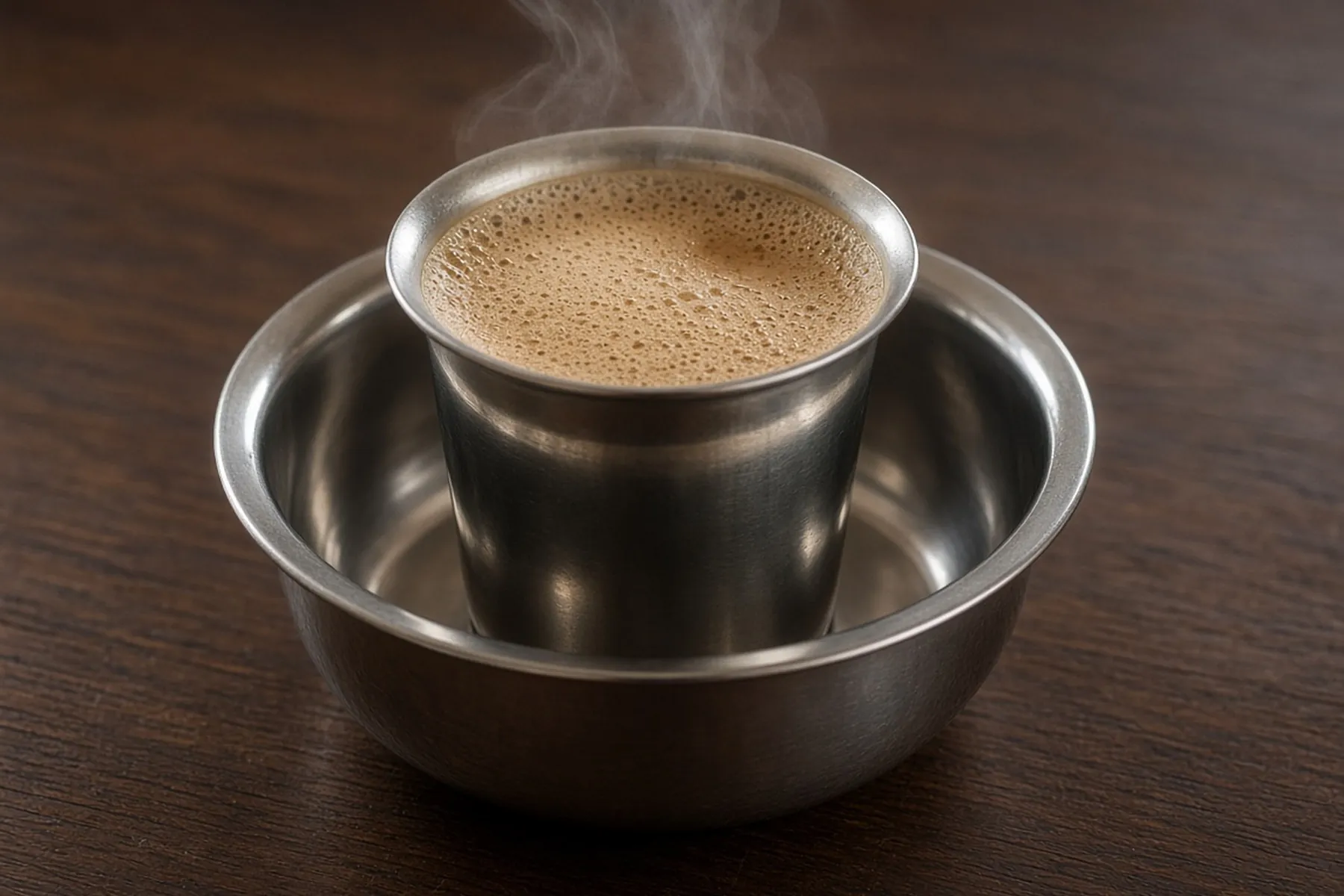 KaapiFilter coffeeಫಿಲ್ಟರ್ ಕಾಫಿSouth Indian filter coffee is decoction from a metal percolator, mixed with boiled milk and often a little sugar, hot, strong, and poured until it froths.Read the story
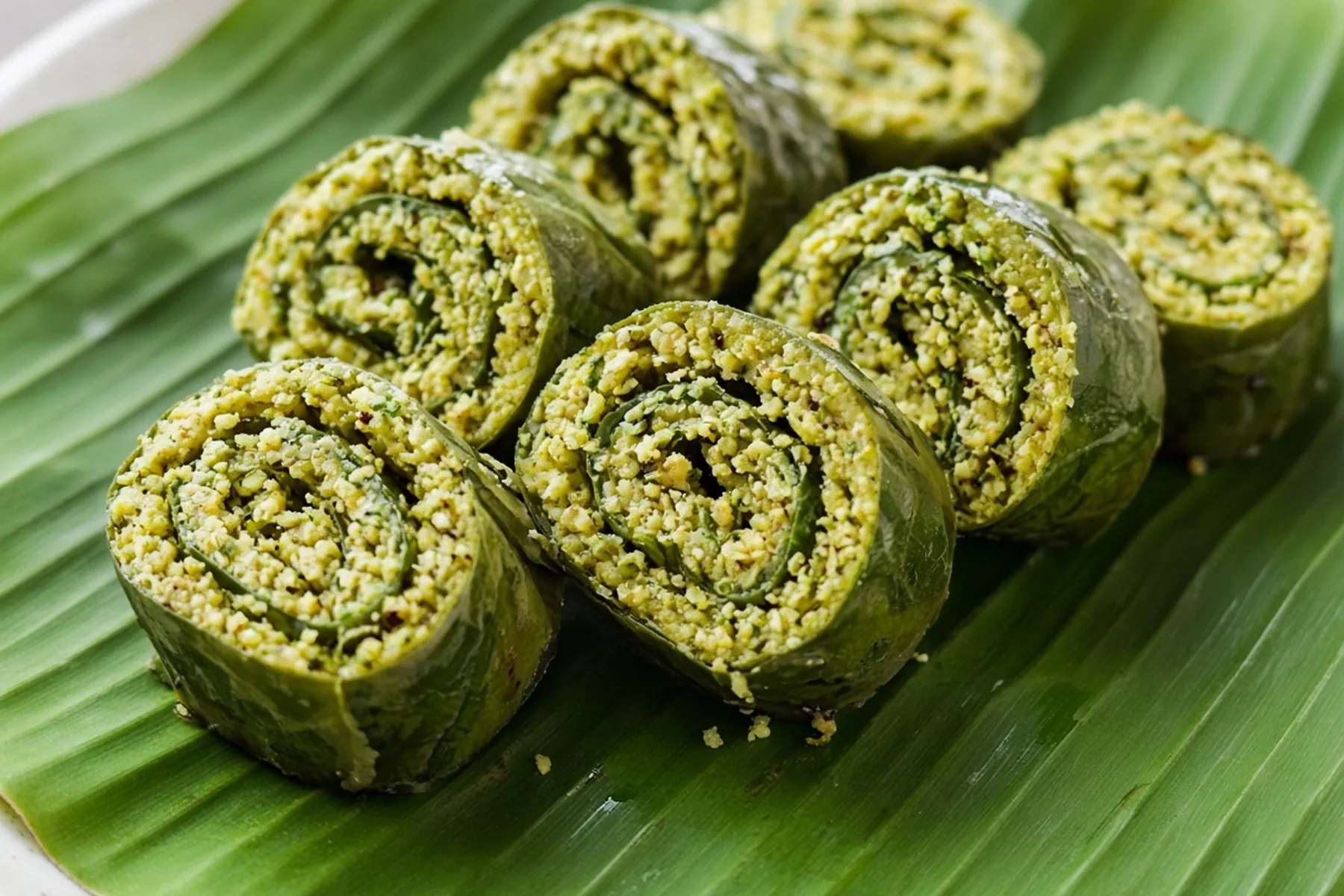 Colocasia rollPathrodeಪತ್ರೋಡೆColocasia leaves, kesuve in Kannada, chevu in Tulu, are smeared with a rice-coconut-tamarind spice paste, rolled, and steamed.Read the story
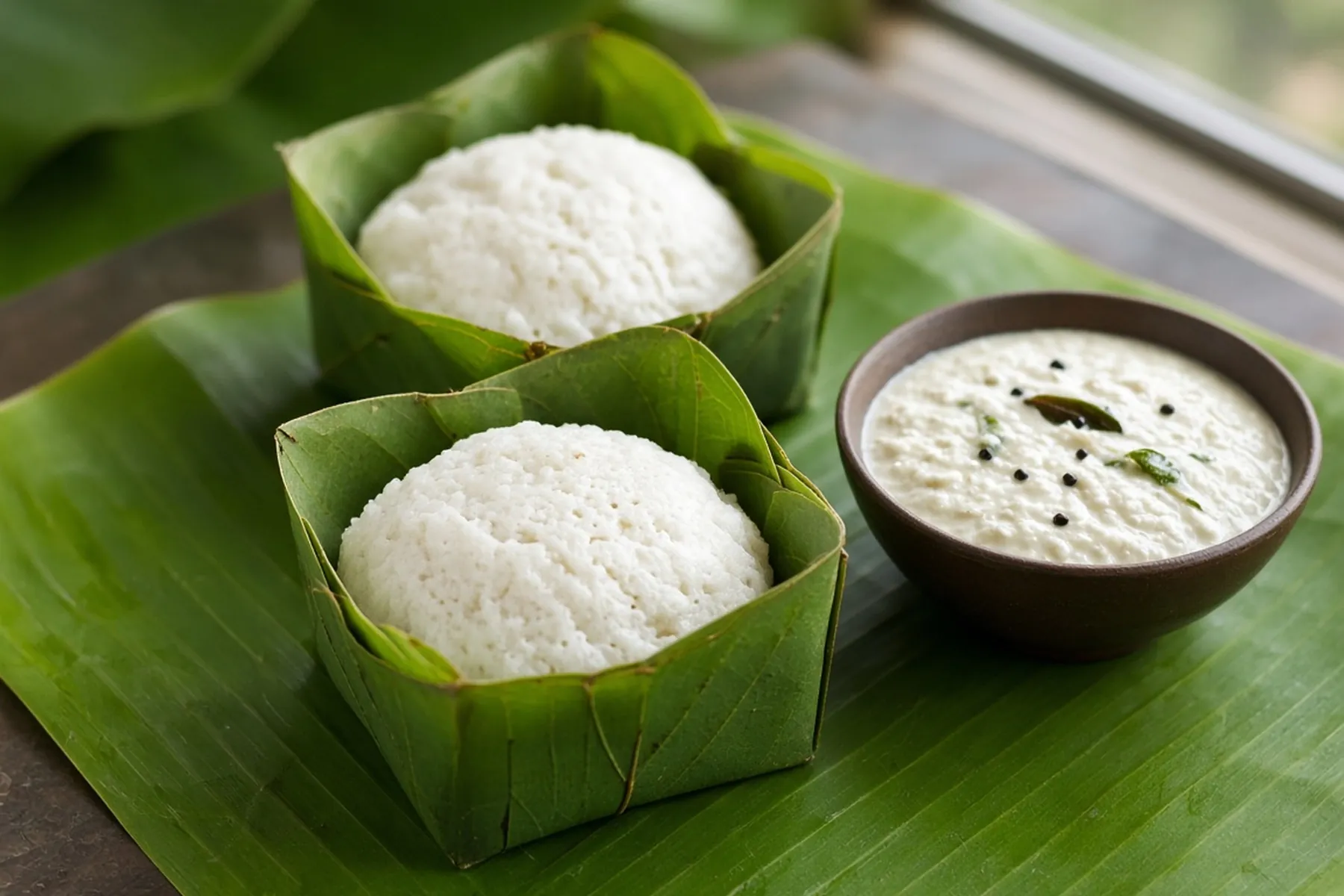 Leaf-cup steamKotte kadubuಕೊಟ್ಟೆ ಕಡುಬುKadubu are steamed rice cakes.Read the story
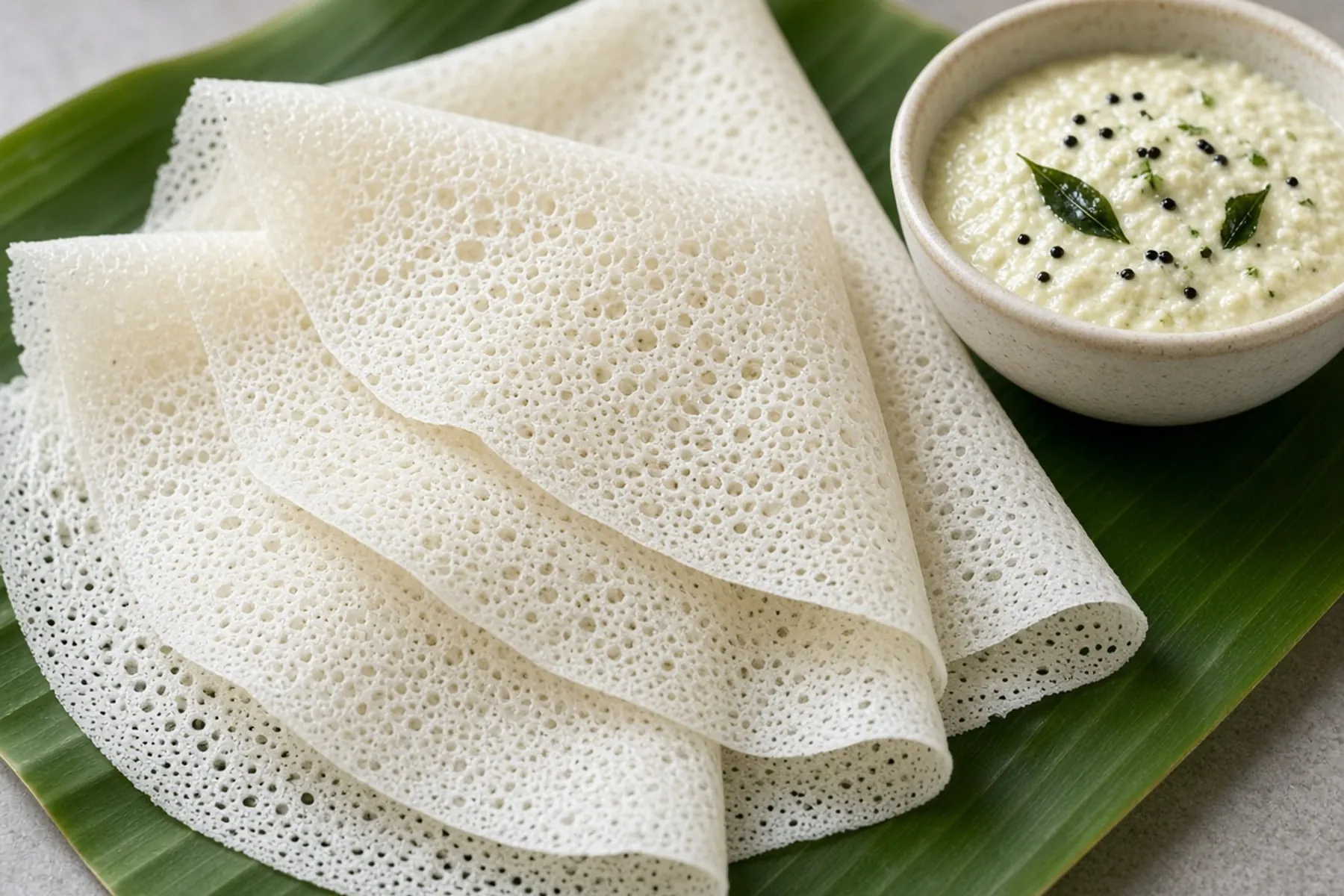 Water crepeNeer dosaನೀರು ದೋಸೆNeer means water.Read the story
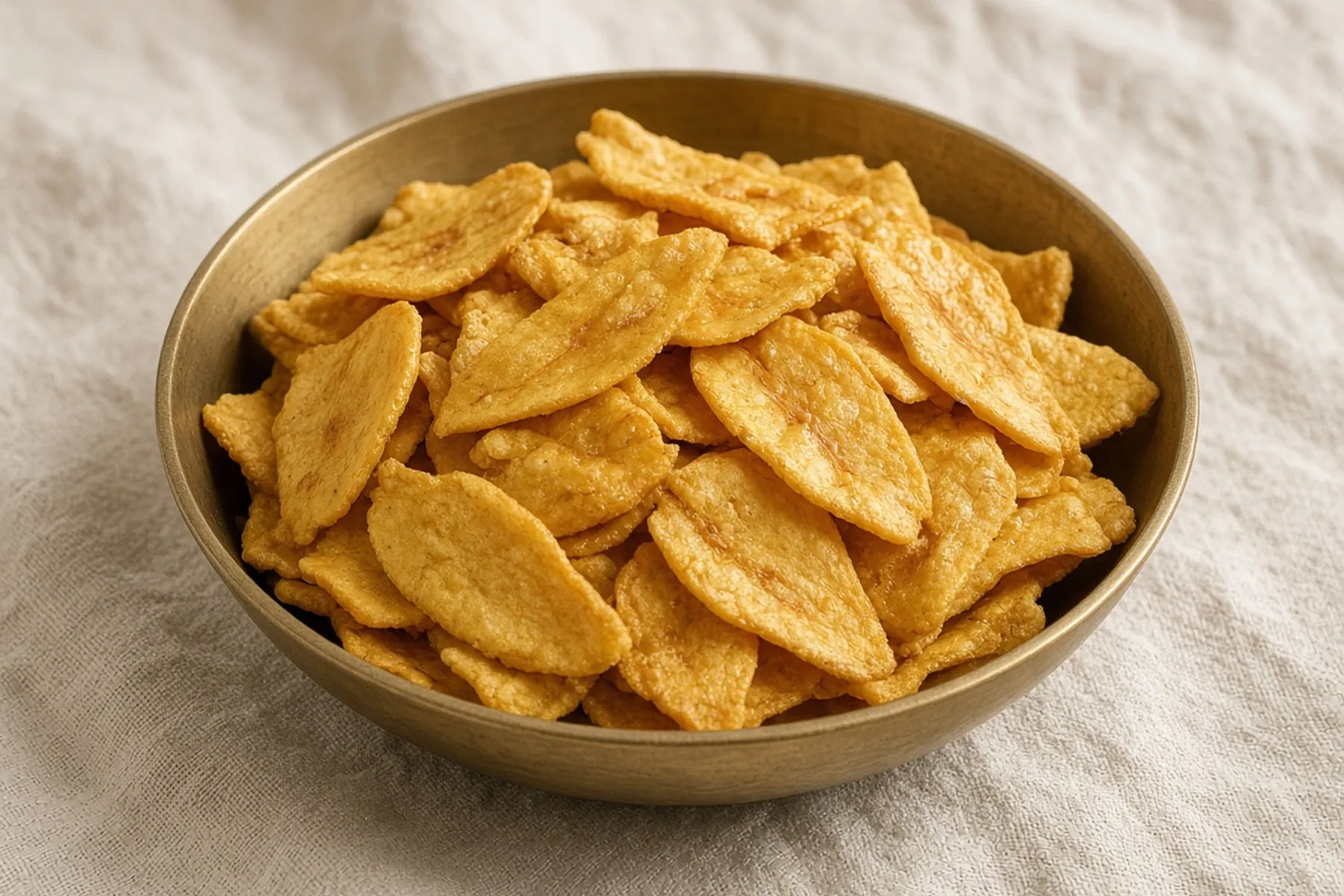 Halasina seasonJackfruit chipsಹಲಸಿನ ಚಿಪ್ಸ್Jackfruit is native to the Indian Western Ghats and fruits hard in Malnad.Read the story
06
Responsible travel
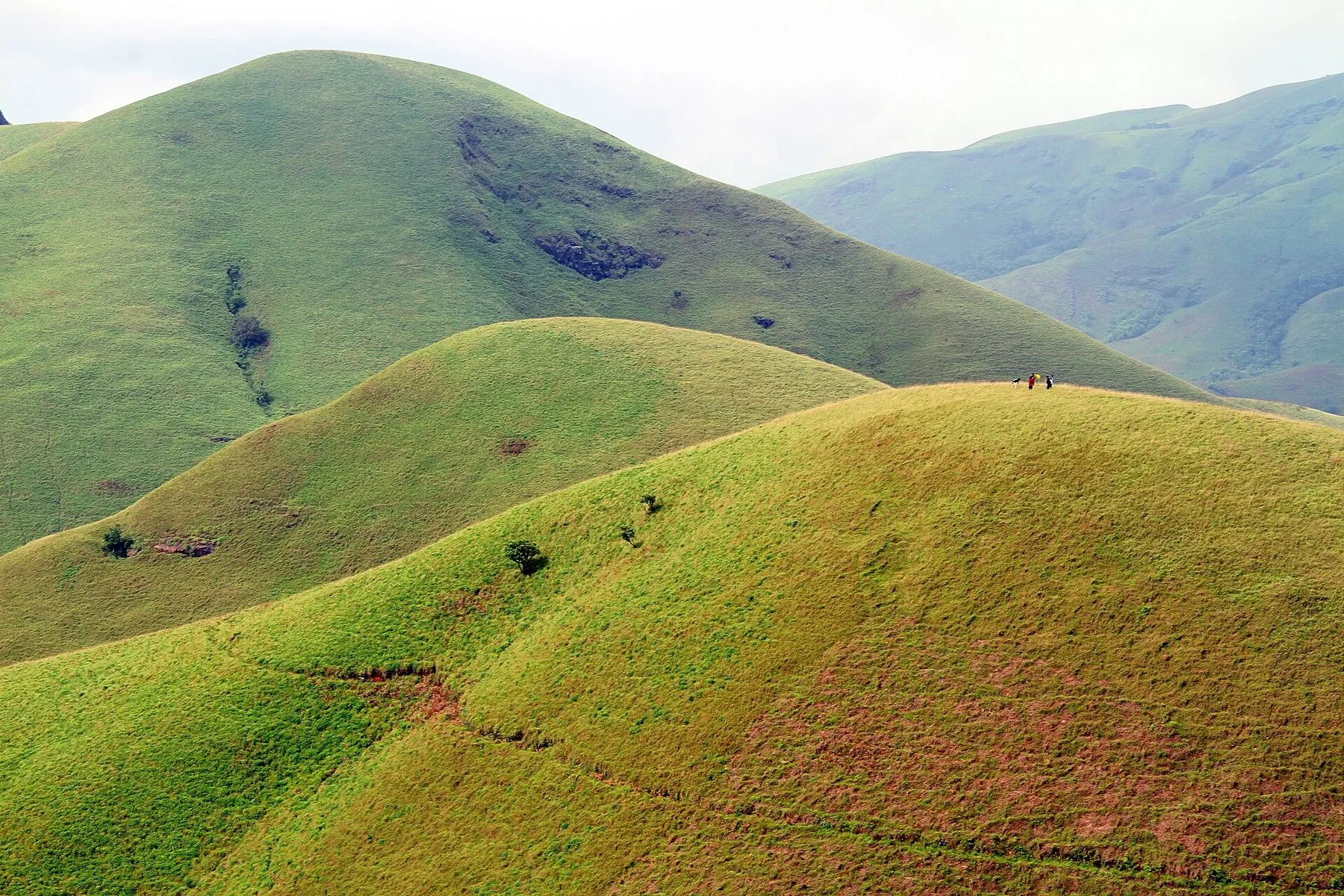
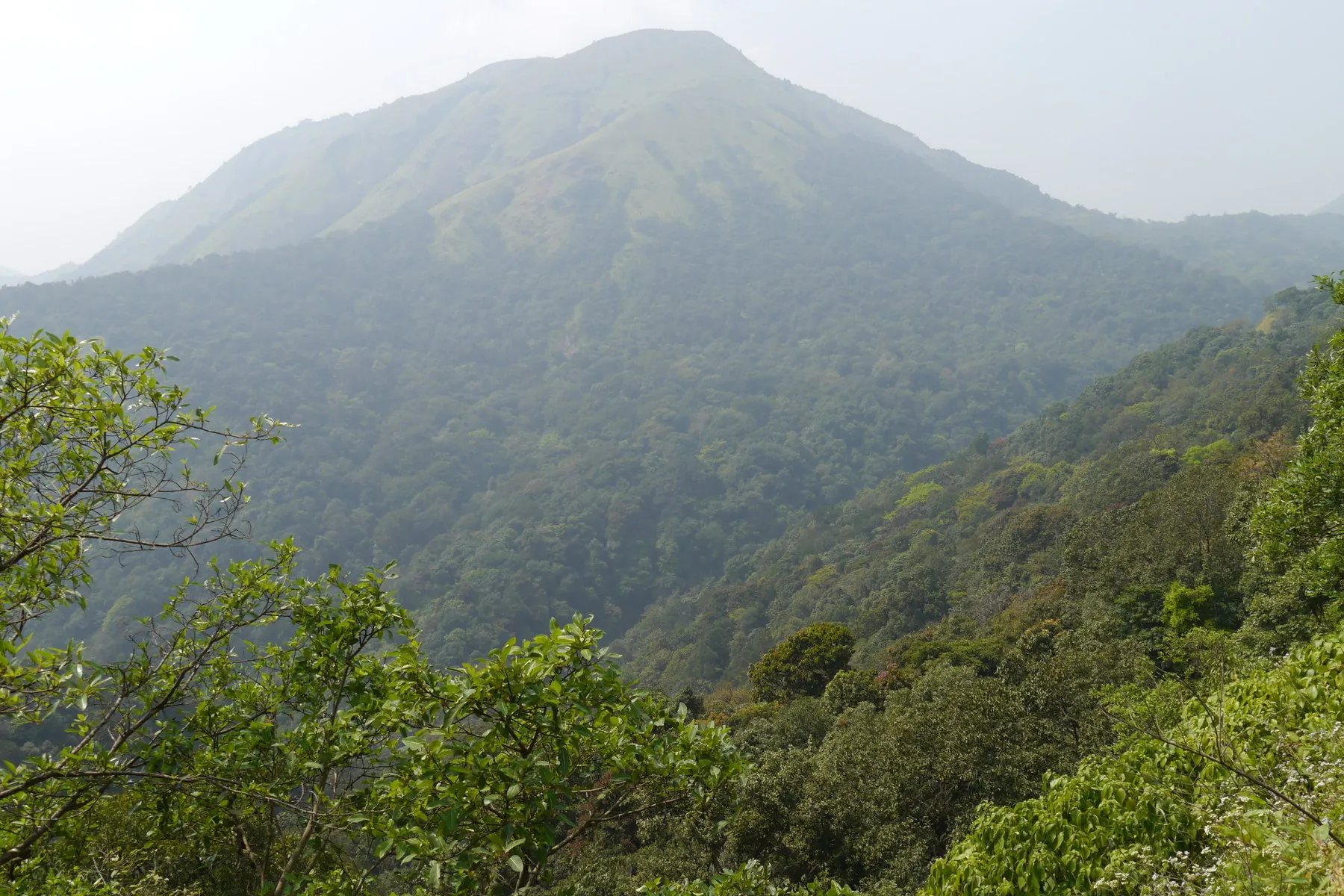
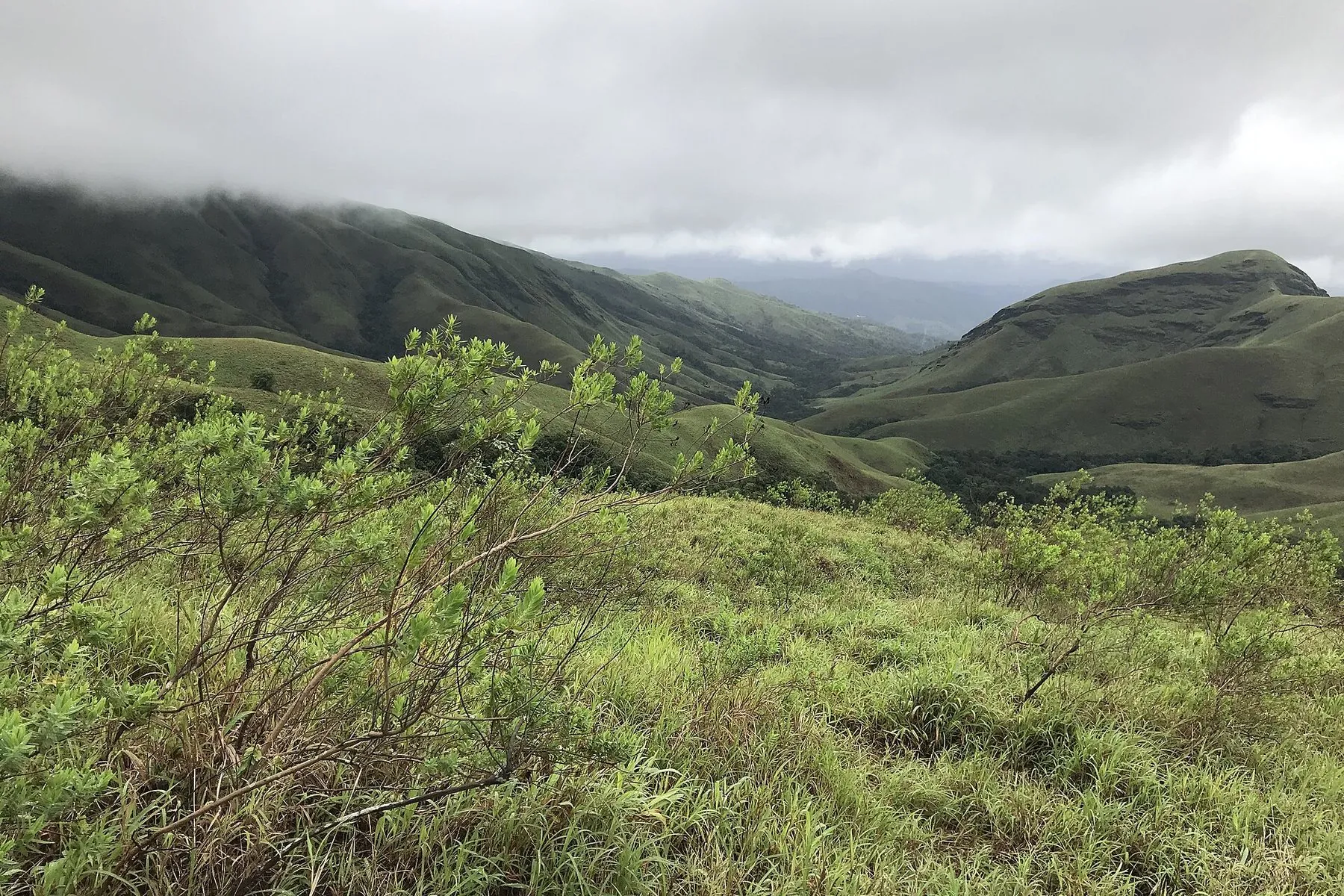
These hills sit in the Western Ghats, a UNESCO World Heritage biodiversity hotspot. Shola grassland is easy to scar and slow to heal. Stay on existing paths. Do not cut across meadows for a photograph. Pack every wrapper back to town.
Elephants, gaur and, in Bhadra, tigers use this district. Drive as if a large animal owns the next bend, because it might. Do not play loudspeakers on ridges. Do not light fires. Kudremukh and Bhadra are notified forests: permission is not a suggestion.
This is not an official government website. It does not inspect hotels, sell rooms, or take payments. For closures, fees and permits, use the district, forest and Karnataka Tourism pages linked throughout.
07
Field photographs
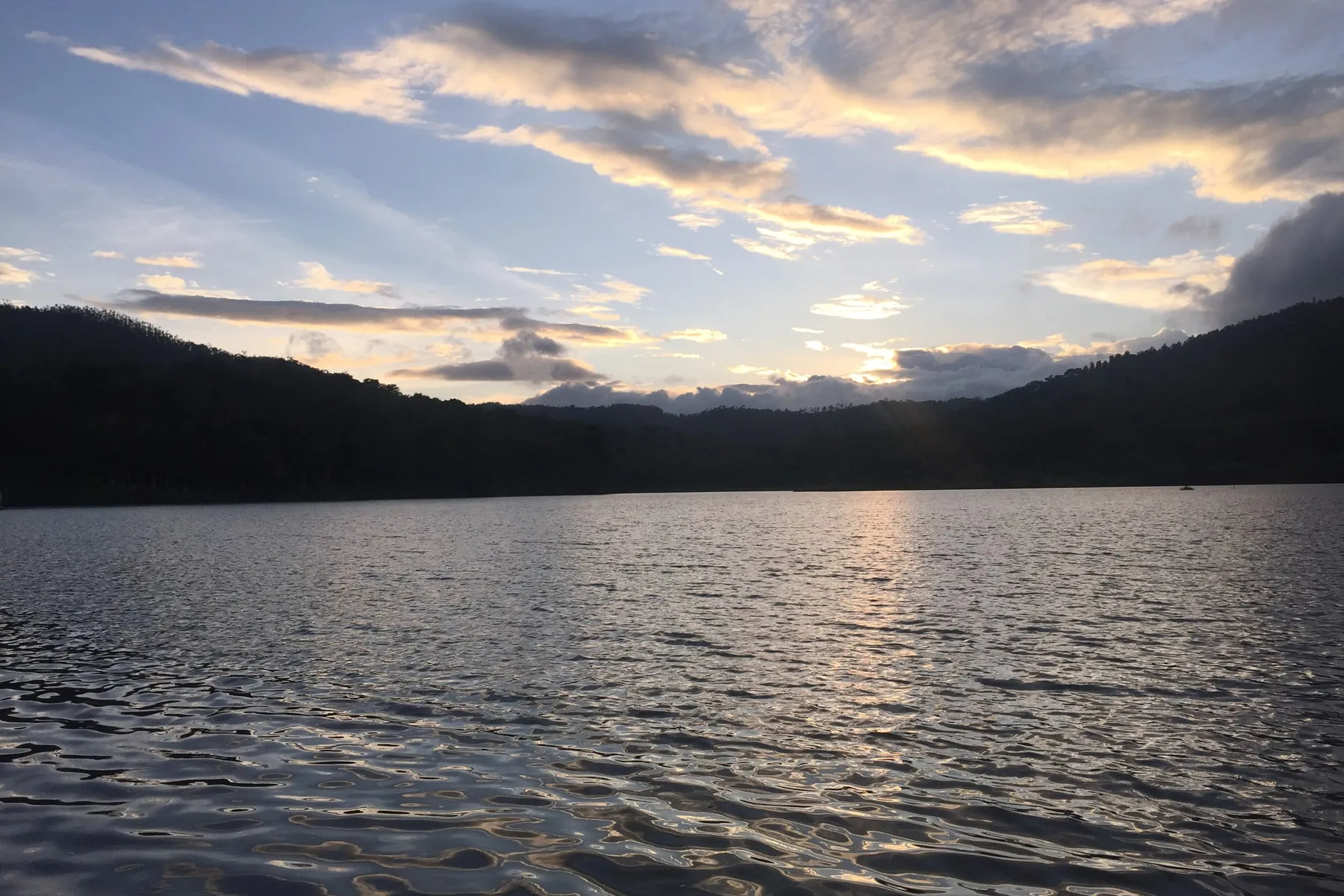
Stills from people who walked here, credited on the visit page.